“How much does a storage unit actually cost?” is a question you hear often from people looking to store goods.
The answer is not as obvious as you think.
What many might not know is that there is no single flat rate. Storage costs are influenced by a variety of factors, including size, location and contract terms, among others.
The key is to understand what you’re paying for and budget accordingly.
What Is the Average Cost of a Storage Unit?
It cannot be stressed enough that “average cost” is a guideline, not a guarantee.
Monthly storage costs can range from a few hundred rand for smaller units to thousands of rand for larger spaces, particularly if they are in high-demand areas.
Storage costs in Cape Town are a prime example.
Property values and demand in the Mother City mean storage rates differ significantly from prices in smaller cities or towns.
Most storage service providers operate on a per-unit-per-month model, but there is no set rate. Location, size, where the space is located and length of storage all influence the final price.
Storage Unit Sizes and How They Affect Price
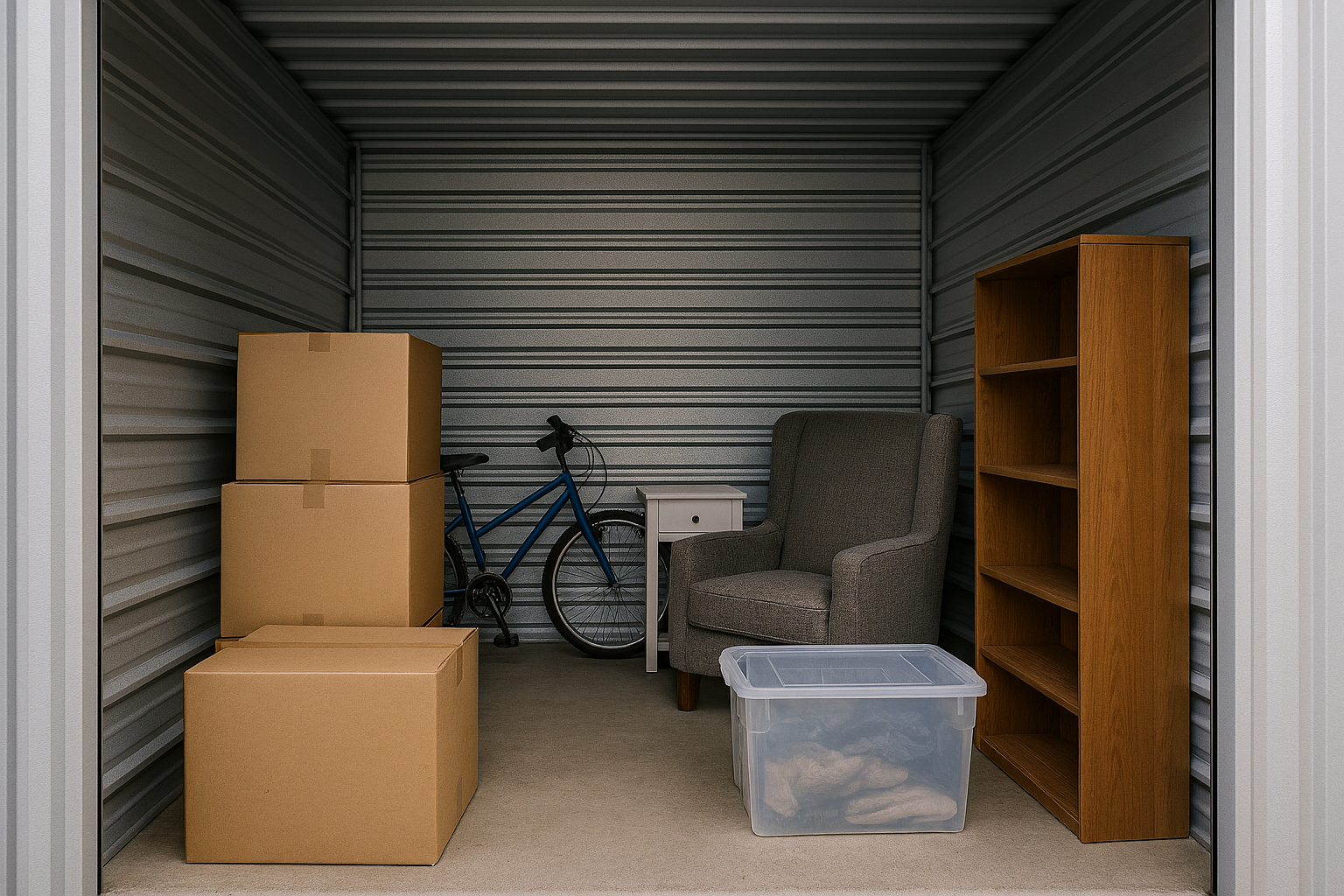
The smaller the unit, the more affordable it is. Such units are perfect for storing boxes, archived documents, and seasonal items.
A medium unit should be able to accommodate furniture that would fit into a one- or two-bedroom apartment.
A family that might need to stay with friends while their home is being renovated will find these useful for storing couches, beds and important personal items.
At the top of the list are larger units required to store everything in the family home. Larger units are also perfect for business inventory storage.
Very important to note is that unnecessary expenses occur when you select a space that is more than you need.
Go through the service provider’s storage price list several times if you need to.
Key Factors That Influence Storage Unit Rates
Location. Access type. Security features. Demand fluctuations.
Play this quartet of considerations over in your head. Here’s why:
Units in major urban centres generally cost more.
Indoor units in multi-storey facilities may cost more than drive-up units that allow direct vehicle access.
Controlled access gates, CCTV monitoring, and security influence storage costs.
These factors combine to make up the final monthly rate.
Short-Term vs Long-Term Storage Pricing
The idea of month-to-month rentals sounds great for the flexibility it offers, particularly if the person is only needing to store items when moving home.
The catch is that they cost more.
If someone commits to a longer-term agreement, the service provider could well offer them a discounted rate.
However, longer rentals, such as a family might need when emigrating, often come with longer notice periods for cancellation.
Additional Costs to Consider Beyond Monthly Rent
The advertised monthly amount for storage doesn’t always tell the full story.
There can often be hidden costs like deposits or administration fees, mandatory insurance, special lock purchases, and price escalation over months or years.
Never look for storage units near me prices without factoring in the potential all-in cost first.
How to Estimate the Right Storage Budget for Your Needs
Overspending can be avoided by listing everything you plan to have in storage. This should help determine the required unit size.
Next, decide how long you expect to need storage. You must be realistic this: the last thing you want is to suddenly be paying more.
Access and security requirements must be considered, as higher access flexibility and enhanced features may increase costs.
Finally, compare quotes from multiple providers.
Common Mistakes People Make When Comparing Storage Prices
Choosing the cheapest option without checking security standards is a big no-no.
Another one is paying for more space than necessary.
Some also ignore how storage costs accumulate over time, while it is essential that contract terms are not overlooked.
Is Paying More for Storage Ever Worth It?
Sometimes it can be.
Paying more for enhanced security may be worth it if items are especially valuable.
Remember though, cheap and good value are not always the same. Don’t only evaluate storage rates on price; it is overall value that you’re looking for.
Final Takeaways: What to Know About Storage Unit Costs
There is no single rate for storage.
Size, location, and rental duration are the most significant pricing factors.
Understand the total cost, including additional fees and long-term implications.
Take time to assess what you need to store and how long you’ll need it.
Once you have a better idea of your requirements, contact Big Storage to explore your storage options and find a solution that works for your needs and budget.