Finding extra storage space is a challenge many South African homeowners, renters, and small businesses face. Whether it’s seasonal belongings, documents, or excess inventory, deciding on the right storage solution can make a big difference in convenience, security, and cost.
A common question arises: should you choose a storage locker or a storage unit? Each option has unique features, advantages, and ideal use cases. Understanding the differences helps you make smarter decisions for your specific needs. This guide breaks down both storage solutions, compares them, and provides practical tips for choosing and using your storage effectively.
What Is a Storage Locker?
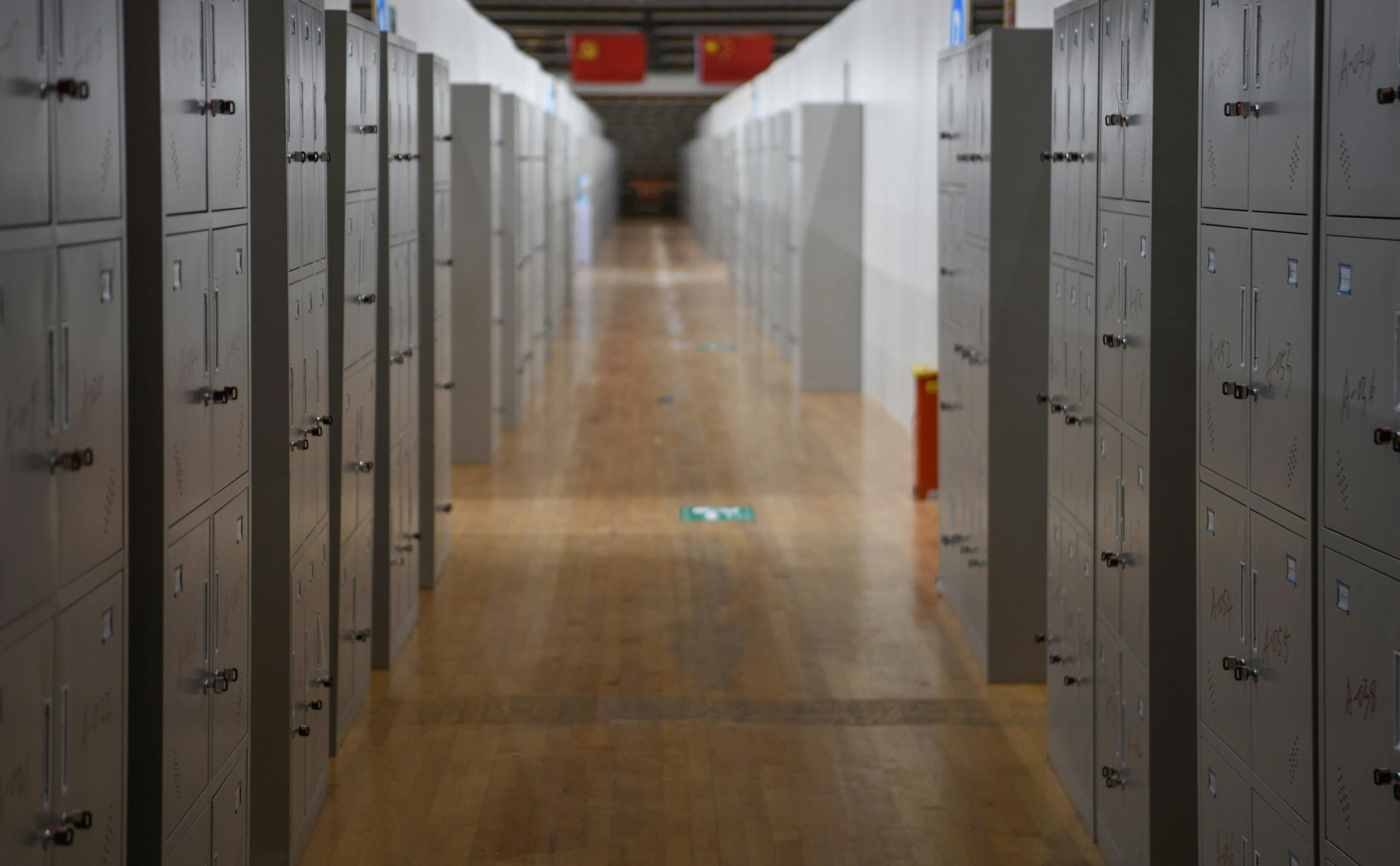
A storage locker is a small, secure space designed for storing limited items. Lockers are usually compact, ranging from the size of a large suitcase to a small room, and are often found inside larger storage facilities, shared buildings, or residential complexes.
Common uses: storing seasonal items, important documents, or personal belongings that don’t require much space.
Security and accessibility: Lockers often feature controlled entry, individual locks, and sometimes CCTV monitoring.
Example scenario: A university student storing winter clothing, textbooks, and small furniture during summer break might choose a storage locker for convenience and cost efficiency.
What Is a Storage Unit?
A storage unit is a larger, standalone space designed for more substantial storage needs. Sizes can range from small rooms to spaces large enough for a vehicle. Storage units are typically located in dedicated storage facilities and may offer climate control, 24/7 access, and advanced security systems.
Common uses: storing household furniture, business inventory, or vehicles during renovations, relocations, or seasonal fluctuations.
Flexibility: Storage units offer variable size options, access hours, and lease terms, accommodating both short-term and long-term storage requirements.
Example scenario: A family storing furniture while renovating their home would benefit from a storage unit that can hold multiple large items securely for several months.
Key Differences Between Storage Lockers and Storage Units
Here’s how lockers and units compare across key factors:
Size: Lockers are small and ideal for compact items; units can hold larger volumes, from furniture to business inventory.
Accessibility: Lockers may have limited access hours; units often allow more flexible, round-the-clock access.
Cost: Lockers are generally more affordable for small storage needs; units cost more but accommodate larger or long-term storage.
Security: Both offer secure storage, but units may feature advanced surveillance and climate control.
Leasing: Lockers often cater to short-term rentals, whereas units provide flexible lease options for both short and long-term storage.
Practical guidance: Choose a locker for limited, low-volume items with occasional access. Opt for a storage unit if you need space for multiple items, require regular access, or need long-term storage flexibility.
Pros and Cons of Storage Lockers
Benefits:
Affordable for small items
Easy to manage and organise
Secure for essential personal items
Drawbacks:
Limited space
Access hours may be restricted
Example: Seasonal sports equipment or important documents can be conveniently stored in a locker without paying for a full-sized unit.
Pros and Cons of Storage Units
Benefits:
Large capacity for a variety of items
Flexible access hours and lease terms
Suitable for both personal and business storage
Drawbacks:
Higher cost than lockers
May require more planning and organisation
Example: Storing furniture, business inventory, or vehicles during home renovations or temporary relocation.
Choosing the Right Option for Your Needs
Step-by-step guidance:
Assess the volume and type of items: small personal belongings vs large furniture or inventory.
Consider frequency of access: occasional vs daily retrieval.
Factor in budget: compare cost per month relative to space required.
Determine location convenience: proximity to home, office, or school.
Mini-case studies:
Student: Small, short-term locker for seasonal items.
Small business: Medium to large units for inventory and equipment.
Family: Larger unit for furniture and appliances during home renovations.
The right choice balances space, cost, and accessibility to fit your lifestyle or business requirements.
Tips for Maximising Your Storage Space
Use shelving and stackable boxes to optimise vertical space.
Label items clearly for easy retrieval.
Keep frequently accessed items near the front of the unit or locker.
Consider climate-controlled options for sensitive items like documents, electronics, or textiles.
Ensure security best practices: strong locks, insurance, and adherence to facility rules.
Common Mistakes to Avoid
Overestimating or underestimating space needs: Measure items accurately before renting.
Ignoring access restrictions: Check facility hours and policies.
Storing valuables without insurance: Protect high-value items with appropriate coverage.
Failing to organise: Use clear labelling and categorisation for easy retrieval.
Corrective advice: Plan your storage layout in advance, use suitable containers, and maintain an inventory list.
Final Takeaways: Making Smart Storage Choices
Storage lockers and storage units each serve different needs: lockers are compact and cost-effective, ideal for small personal items, while units offer flexibility, large capacity, and long-term storage options. Matching your choice to your requirements ensures convenience, security, and cost-efficiency.
Find the perfect storage solution for your space. Explore secure lockers and units today and store your items with confidence.