Keeping documents for the right amount of time is more important than many people realise. Whether you’re running a business, managing household admin, or just storing personal records, your documents hold legal, financial, and even identity-related value.
But keeping everything forever creates clutter and risk, while destroying documents too early can cause major problems when you need to prove a transaction or verify your identity.
This guide breaks down how long to keep different kinds of documents, what South African laws require, and how to store or dispose of them safely. We’ll also share practical strategies for staying organised, including document storage options when you need space or added security.
Why Retention Periods Matter
Knowing how long to keep records is essential for accuracy, legal compliance, and peace of mind. For businesses, documents act as evidence in audits, disputes, and statutory reporting. For individuals, records protect against identity theft, help with tax, insurance and property claims, and preserve important life information.
In South Africa, the important roles of retention are shaped by legislation. For example, company records under the Companies Act 71 of 2008 must be retained in written or convertible form for legally defined periods, with certain founding documents often stored indefinitely.
Similarly, accounting records for closed corporations typically follow long retention requirements (in some cases up to 15 years), as explained in industry retention guides such as SAICA’s Retention of Records Guide.
For personal information, the Protection of Personal Information Act (POPIA) states that organisations must not keep personal data longer than necessary, unless retention is required by law, contract, or consent.
Retention periods are determined by:
Legal requirements
Business needs
The document’s practical value
Risk if the document is destroyed too soon
Keeping documents too long can increase the risk of data breaches and privacy violations, while premature destruction may leave you without crucial evidence.
How Long to Keep Different Types of Documents
Below is a simplified guide to common retention periods for South African households and businesses. When multiple rules apply, always follow the longest requirement.
Personal Identity & Life Records
Keep indefinitely:
- Birth certificates
- Passports (retain expired passports for proof of travel/identity)
- Marriage certificates
- Divorce decrees
- Adoption papers
- Academic certificates
Property & Financial Documents
Best practice: retain until property is sold plus at least 5 years.
Includes:
- Title deeds
- Home loan agreements
- Major home renovation invoices
- Vehicle registration papers
Business Records
- Accounting records for closed corporations: keep for 15 years, as noted in retention summaries like the MDACC Retention Guide.
- Financial statements & basic company records: minimum 7 years, but founding statements should be kept indefinitely.
- Tax submissions: SARS requires records to be kept for 5 years, as set out in their Record Keeping Requirements.
Employment, Health & Safety, and HR Records
- Hazardous chemical exposure records: keep for 40 years.
- Employee files, payroll, contracts: 7 years minimum.
General Household Records
- Utility bills, monthly statements: keep for 1–3 years, unless needed for tax or insurance claims.
Safe and Legal Storage Best Practices
Retention is only one part of the equation. How you store documents determines whether they remain legally admissible, accessible, and protected.
Physical document storage
- Store in a dry, climate-stable area away from humidity and pests.
- Use acid-free folders and sturdy file boxes.
- Keep originals of irreplaceable documents in locked cabinets or safes.
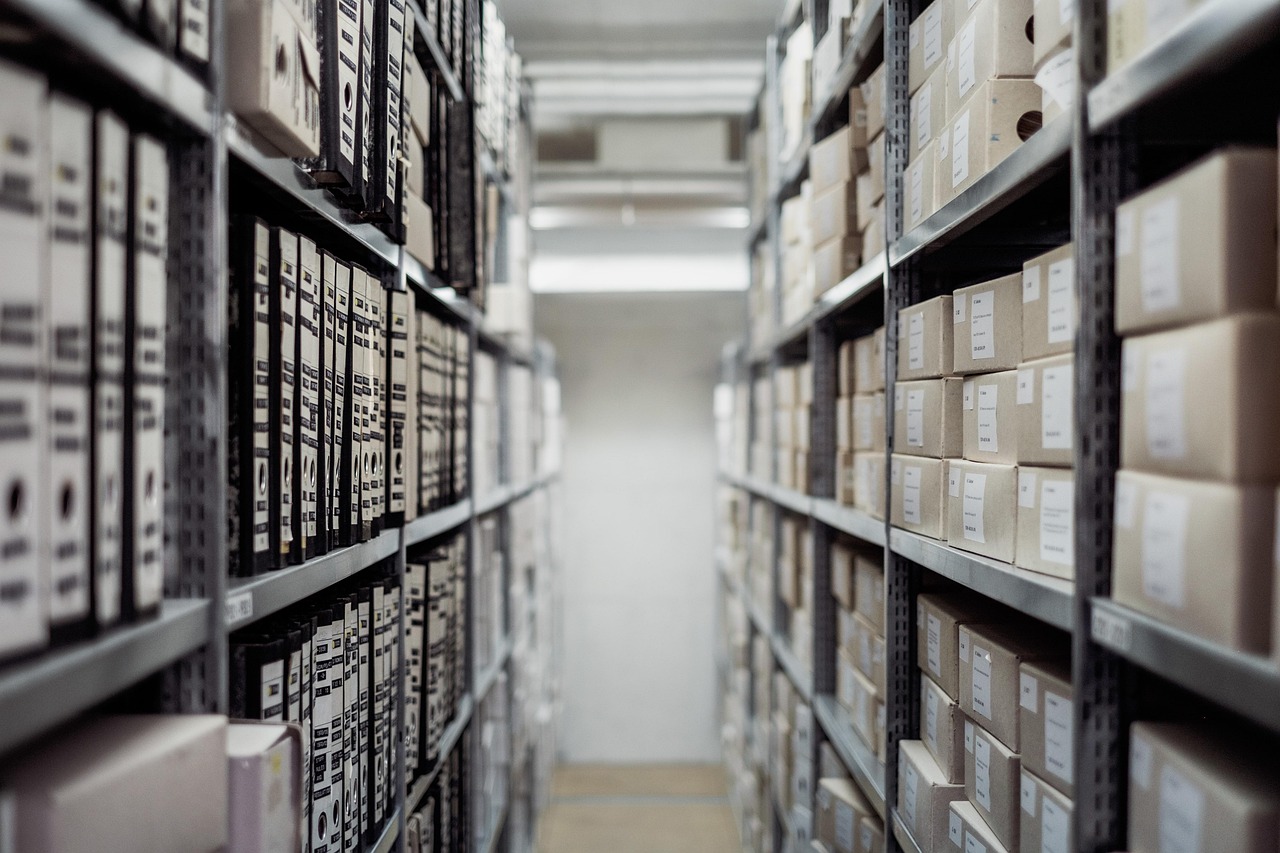
- For large volumes or long-term safekeeping, a document storage facility like Big Storage offers ideal protection, including climate-control options and 24/7 surveillance. This level of secure document storage can significantly reduce risk.
South Africa’s National Archives framework outlines core principles for custody, access, storage conditions, and disposal. Their records management guidelines reinforce that storage must support long-term preservation and proper classification.
Digital storage
- Scan documents using high-quality scanning or OCR to make files searchable.
- Use secure cloud services with strong encryption.
- Enable two-factor authentication for account access.
- Understand legal admissibility: digital copies are valid for many purposes, but originals may still be required for deeds, certificates, or court evidence.
Security & Disaster Recovery
Always keep backups in a separate location.
Use strong passwords and encryption.
For expired documents, ensure proper destruction and maintain logs.
Document Disposal and When to Let Go
Under POPIA, personal information must be destroyed once it’s no longer needed. Practical steps include:
Determining disposal timing
Review files annually.
Apply the legal retention period plus any contractual or operational requirements.
For businesses: implement a documented retention schedule.
Disposal methods
Cross-cut shredding for paper.
Use certified disposal services for bulk destruction.
Secure deletion or overwriting for digital records.
Maintain a destruction log
Businesses especially should record:
What was destroyed
When
By whom
Method used
This protects you in case of future disputes.
Practical Tips & Checklist for Managing Document Retention
Create an inventory of personal and business documents.
Categorise documents by retention period.
Scan and back up important items.
Label everything clearly.
Use proper storage container types.
Set calendar reminders for annual reviews.
Log all destroyed documents.
For businesses: align your policy with SA legislation and train staff.
Secure, Smart Storage for Peace of Mind
Knowing what to keep and for how long helps you stay organised, compliant, and protected, without drowning in paperwork! With clear retention periods and the right storage habits in place, managing personal or business documents becomes far simpler.
Big Storage makes that process even easier with our safe, professional document storage solutions and document storage services. Whether you need help with archives, personal paperwork, or business compliance, our physical document storage facilities are designed to keep your most important records safe for as long as you need them.
If you need secure space for your documents, Big Storage has you covered!
Get in touch for a quote or friendly advice.