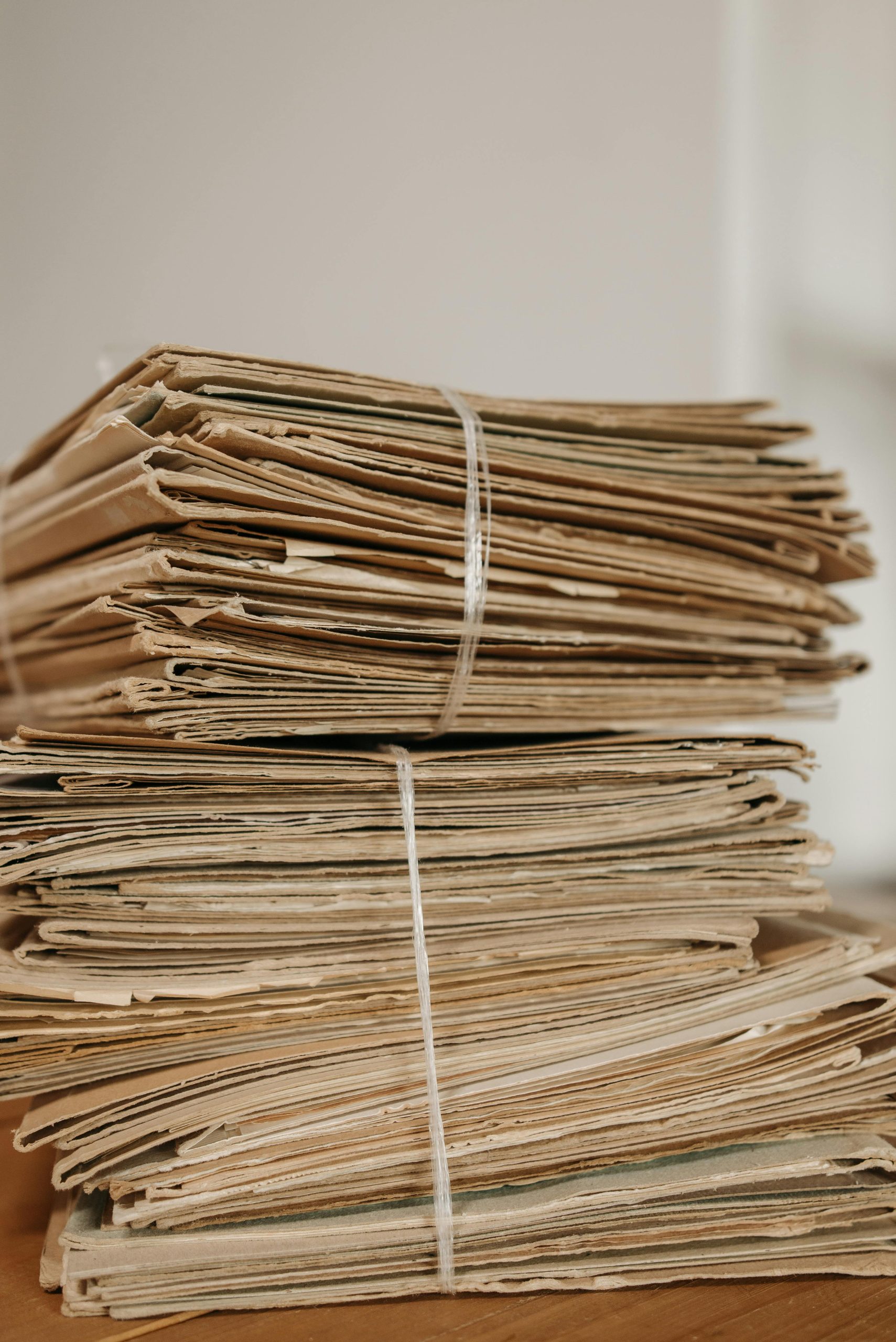
Managing large volumes of paperwork is a common challenge for South African households, small businesses, and offices. Over time, documents pile up, invoices, contracts, receipts, warranties, and personal records, until filing cabinets overflow and desks become cluttered.
The question many people face is simple: how do you store lots of documents without creating chaos? Good document organisation is about more than neatness. It improves efficiency, protects sensitive information, and supports legal and financial compliance. This guide walks through practical, step-by-step ways to manage paper and digital records using smart document management solutions that keep clutter under control.
Understanding the Types of Documents You Need to Store
The first step in reducing clutter is knowing what you need to keep. Most documents fall into a few broad categories:
Financial documents: tax returns, bank statements, invoices, receipts
Legal documents: contracts, agreements, deeds, licences
Personal records: IDs, certificates, warranties, medical records
Business documents: employee records, supplier contracts, compliance paperwork
Some documents, such as tax records and signed contracts, must be stored for several years to meet legal or compliance requirements. Others, like outdated bills or duplicate copies, often have no long-term value. Identifying which documents require archive storage and which can be safely discarded immediately reduces unnecessary paper from the start.
Physical Document Storage Solutions
For documents that must be kept in paper form, having a structured paper filing system is essential. Practical physical document storage options include:
Filing cabinets with clearly labelled drawers
Archive boxes designed for long-term storage
Colour-coded folders to separate categories
Lockable cabinets or safes for sensitive documents
Space can be maximised by storing files vertically, using modular shelving, or moving older records into archive boxes. For example, a small business may keep current-year invoices and contracts in accessible filing cabinets, while transferring older records into labelled archive storage to free up office space. Many document storage companies also offer secure off-site options for documents that need to be retained but not accessed daily.
Digital Document Storage Options
Digitising documents is one of the most effective ways to reduce paper clutter. Scanning documents to PDF allows you to store records electronically while keeping physical copies only where legally required.
Common digital storage options include:
Cloud storage platforms for easy access and sharing
Encrypted local hard drives for sensitive data
Secure backups to protect against data loss
Good digital organisation is just as important as physical filing. Use consistent naming conventions, logical folder hierarchies, and clear dates to make retrieval easy. Well-managed digital files improve accessibility while reducing reliance on physical document storage solutions.
Decluttering and Disposing of Unnecessary Documents
Decluttering should be a regular process, not a once-off task. Start by identifying documents that no longer serve a purpose, such as outdated statements, expired warranties, or duplicate paperwork.
Sensitive documents should never be thrown away casually. Instead, use professional shredding services or secure shredders to protect personal and business information. Recycling non-sensitive paper responsibly also supports environmental sustainability while keeping your space clear.
Creating an Efficient Filing and Retrieval System
An effective filing system makes documents easy to find when you need them.
Practical steps include:
Separating “active” documents from archived records
Using clear labels, numbering systems, or colour codes
Scheduling monthly or quarterly reviews to maintain order
A well-structured system saves time, reduces stress, and improves productivity by eliminating the need to search through piles of paperwork.
Balancing Physical and Digital Storage
Most people benefit from a hybrid approach. Physical documents are still required for certain originals, while digital copies work well for everyday reference and backup. The key is consistency: scan paper documents where possible, store originals securely, and ensure both systems follow the same organisational logic.
Common Mistakes to Avoid When Storing Documents
Common storage mistakes include overfilled cabinets, inconsistent labelling, ignoring document security, and storing papers in damp or sun-exposed areas. These issues can lead to lost documents, damage, or data breaches. Correcting them early helps protect your records and prevents clutter from returning.
Maintaining Clutter-Free Document Storage Long-Term
Long-term organisation depends on simple habits. Regular decluttering sessions, updated digital backups, and periodic reviews ensure your system stays manageable. A straightforward system, maintained consistently, prevents document overload before it starts.
Final Takeaways: Smart Strategies for Document Storage Without Clutter
Storing large amounts of documents doesn’t have to mean living or working in a mess. By categorising documents, combining physical and digital storage, and disposing of unnecessary paperwork responsibly, you can keep records accessible without clutter.
If you need help managing growing volumes of paperwork, professional document management solutions, archive storage, and secure shredding services can make the process far easier. The right systems and support allow you to stay organised, compliant, and clutter-free for the long term. If you’re unsure which storage solution best suits your document needs, get in touch with the Big Storage team for help finding the right option.