Storage unit pricing inconsistencies between service providers leaves many asking the question, “How exactly are storage fees calculated?”
There is an explanation.
Storage fees are not only determined by unit size. There are many different variables that influence how costs are calculated.
It is crucial to understand these so you can avoid situations where you are left scratching your head and out of pocket.
What Goes Into the Cost of a Storage Unit?
There is no flat rate in the storage business.
Instead, service providers generally work from a model where there is a base cost with add-ons relating to the specific needs of the applicant.
It is not uncommon for two people to rent units at the same storage facility but pay different prices.
This is where the multiple-component structure comes in. A combination of unit size, location of the facility, rental duration, access and usage requirements, and additional services and fees is what ultimately determines the final price.
Unit Size and Space Requirements
Unit size is the primary driver of storage costs.
Commercial facilities often price units according to square meterage or defined size categories.
You always need to make sure you are choosing the right size for your needs. It is a waste of money renting a unit that is too large for what you need to store.
Similarly, choosing a space that is too small for your items forces you to upgrade at a later stage.
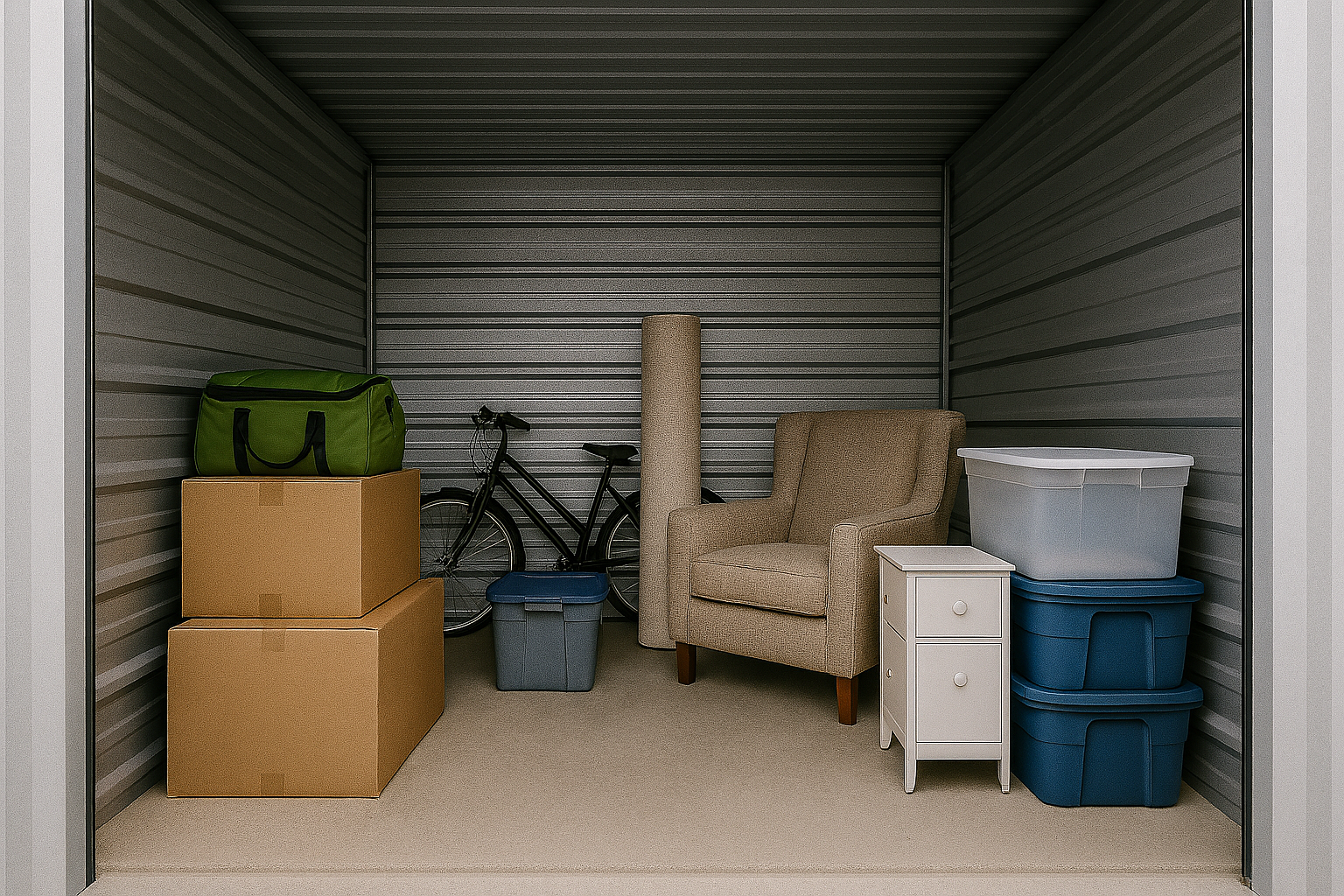
Small units, ideal for boxes, archived documents, or seasonal household items, are the most affordable and typically are used by students or renters who need temporary space.
Families renovating their homes often choose medium-sized units that can temporarily accommodate their furniture, while larger units are suitable for full household contents or small business inventory.
Location and Facility Type
The location of a storage facility can greatly affect self storage costs.
A facility in an urban business district or high-traffic area will invariably charge higher rates than one in the suburbs or beyond the city limits.
Convenience and security come at a premium, particularly if the facility offers climate-controlled units, indoor storage areas, and advanced security systems.
Rental Duration: Short-Term vs Long-Term Storage Costs
Short-term storage on a month-to-month basis may offer flexibility but chances are that rental costs will be higher. People moving house or completing renovations generally are prepared to pay extra since their items won’t be stored for long.
The advantage of long-term storage agreements is that often monthly rates are more competitive. The downside is that these contracts typically require longer commitments and notice periods.
Access, Usage, and Operational Fees
Some facilities offering extended or 24-hour access, but the service comes at a cost since it falls outside standard operating hours.
Something consumers might not always consider is the issue of loading and unloading. A long-term facility is likely to consider this inconvenient and demand extra payment.
Some facilities may also charge administration or setup fees at the start of the rental period. They may even require that a special lock is used.
Insurance, Security, and Optional Add-Ons
Items can go missing, which is why insurance is often required or strongly recommended when renting a unit. Sometimes insurance is included in the monthly rate. In other cases, it is mandatory but charged separately.
Optional services like purchase of packing materials, transport assistance, or upgraded climate control features, can also increase the total cost.
Hidden or Unexpected Storage Fees to Watch For
Always ask the service provider about potential price changes over time.
Some facilities implement annual price increases while others offer promotional rates that rise after an introductory period has lapsed.
It is very important to know the provider’s position on this.
How to Estimate Your Storage Costs Accurately
There is a process that everybody needing storage should follow.
Firstly, avoid underestimating how long you will need the space.
Secondly, choose a unit size based on your inventory.
Thirdly, confirm your access and security requirements.
Finally, request a full cost breakdown that includes monthly rates and additional fees.
The total projected cost over your intended rental period, rather than just the advertised monthly rate, must always be considered.
Final Takeaways: Understanding Storage Pricing Before You Commit
Storage fees are calculated according to unit size, facility location, and rental duration.
Additional elements can influence total cost.
Understanding how storage unit pricing works helps you make informed decisions.
Take the time to understand how fees are calculated and compare total costs.
If you’re unsure which storage option best suits your needs and budget, get in touch with the Big Storage team to discuss your requirements and find the right solution.